
Semiconductors are once again at the center of global markets, but this cycle is more uneven than many investors expected. AI-related demand remains strong, while portions of industrial, consumer, and legacy-node demand are still normalizing after the post-pandemic overbuild and inventory correction. For U.S. investors, the key question is not whether semiconductors are important in the long run. The key question is timing: are we at a durable cycle bottom, or only at a temporary pause before another reset?
To answer that question, it is better to avoid broad narratives and focus on measurable signals. In practical portfolio work, cycle inflections are usually visible first in operating data before they become obvious in price action. Based on recent industry reports, company commentary, and trade statistics, five indicators are especially useful in 2026.
1) Inventory Days Moving Back Toward Historical Normal

Inventory is the most direct cycle thermometer. During downcycles, inventory days increase as end demand softens and channel stock builds up. During recoveries, inventory days stabilize and then decline as shipments and reorders absorb excess stock.
Recent industry commentary shows semiconductor inventory near roughly 130 days at late-2025 levels versus an estimated multi-year baseline closer to 118 days. That gap is not catastrophic, but it still suggests parts of the value chain remain above ideal balance. In prior cycles, a more convincing bottom signal appeared when inventory moved closer to normal while gross margins stopped deteriorating.
For investors, the practical approach is to track management guidance from key firms each quarter and compare three points together: (1) days of inventory, (2) backlog quality, and (3) shipment growth versus internal expectations. A bottom signal becomes stronger when inventory declines are not driven by shipment cuts alone, but by real demand stabilization from cloud, enterprise, auto, and industrial customers.
2) Revenue Breadth Beyond a Single AI Pocket

Headline growth can look strong while underlying breadth remains weak. In 2026, this risk is meaningful because high-end AI accelerators and related memory components can mask softness elsewhere. If only a narrow set of AI-linked names is carrying the sector, the cycle may still be fragile.
A healthier bottom typically shows up as broader participation: foundry customers across multiple end markets begin guiding upward, analog and mixed-signal names report sequential order improvement, and legacy segments stop posting persistent year-over-year declines. Industry references in late-2025 pointed to quarterly growth running above long-term averages in some periods, but investors should confirm whether that momentum is broad-based.
A practical rule is to watch whether growth is spreading across at least four demand buckets at once: data center, PC/edge compute, automotive, and industrial. When three or four of these areas improve together for two consecutive quarters, probability of a durable bottom increases materially.
3) Foundry Utilization and Leading-Edge Capacity Friction

Foundry utilization is one of the clearest leading indicators because it captures real production behavior, not only sentiment. In this cycle, advanced-node constraints and allocation decisions remain critical, particularly around AI silicon. However, a true bottom is usually more stable when utilization improvement includes both leading-edge and selective mature-node recovery.
Investors should not look only at one data point such as “utilization up.” The better lens is utilization quality. Are incremental wafers going into products with sustainable end demand, or into speculative inventory rebuilding? If utilization rises while customer inventory simultaneously falls, that is constructive. If utilization rises while downstream inventory rises too, caution is warranted.
In 2026, the additional variable is geopolitics and export-control friction. Supply chain re-routing can create temporary tightness and misleading signals. Therefore, U.S. investors should compare foundry commentary with OSAT, substrate, and memory supply updates to avoid false positives.
4) HBM and Memory Pricing Behavior in 2H 2026
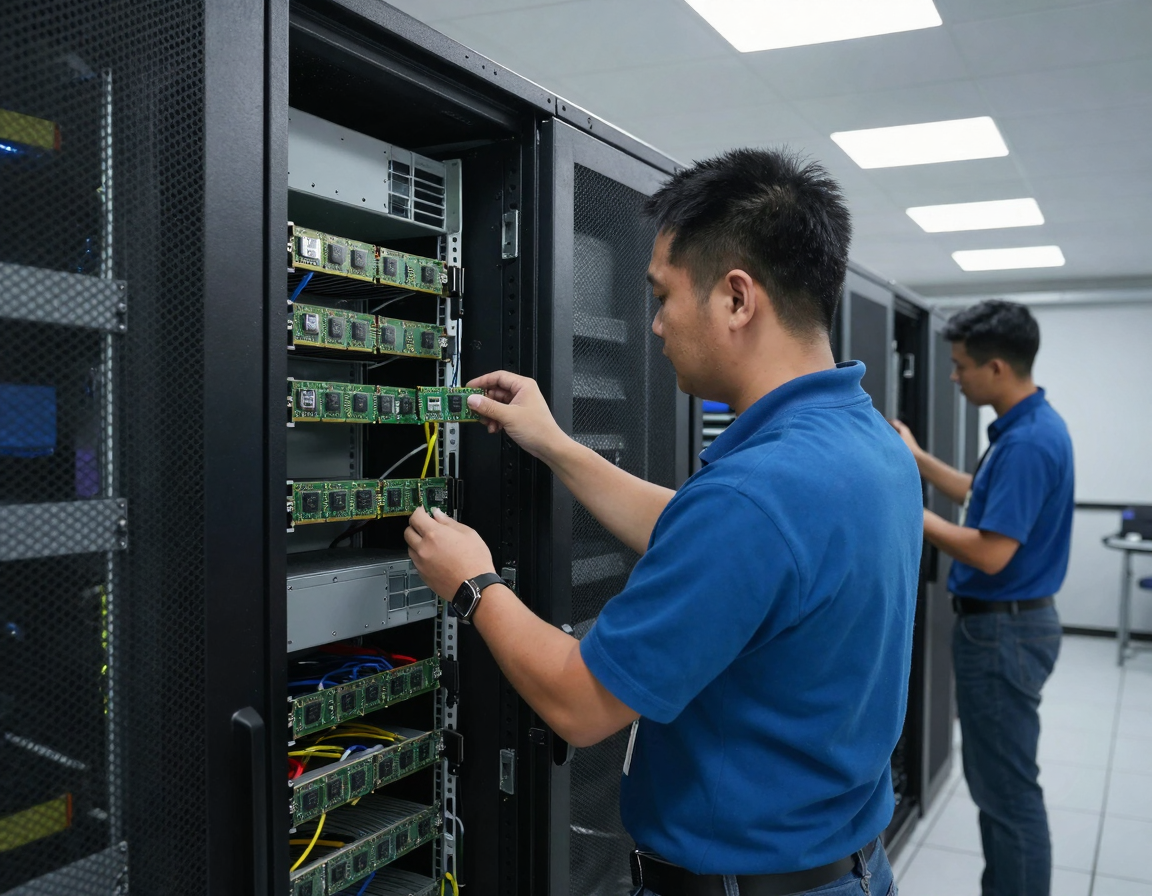
Memory has always been highly cyclical, and HBM has become the strategic swing factor for AI infrastructure. If HBM pricing remains firm while capacity expands in the second half of 2026, that would indicate demand is still absorbing new supply. If prices start falling rapidly before non-AI demand recovers, the market may be discounting a softer 2027 setup.
Several industry observers have flagged potential oversupply risk windows as large-scale capacity projects ramp. That does not automatically mean a crash. It means investors should monitor pace, not headlines. Monthly contract pricing trends, lead-time normalization, and management language around customer pull-ins vs. pull-forwards can provide early warning.
A robust bottom case is supported when memory pricing stabilizes rather than spikes, and when customer purchasing patterns look operational (real consumption) rather than tactical (short-term reservation behavior).
5) MCU and Industrial Order Re-Acceleration
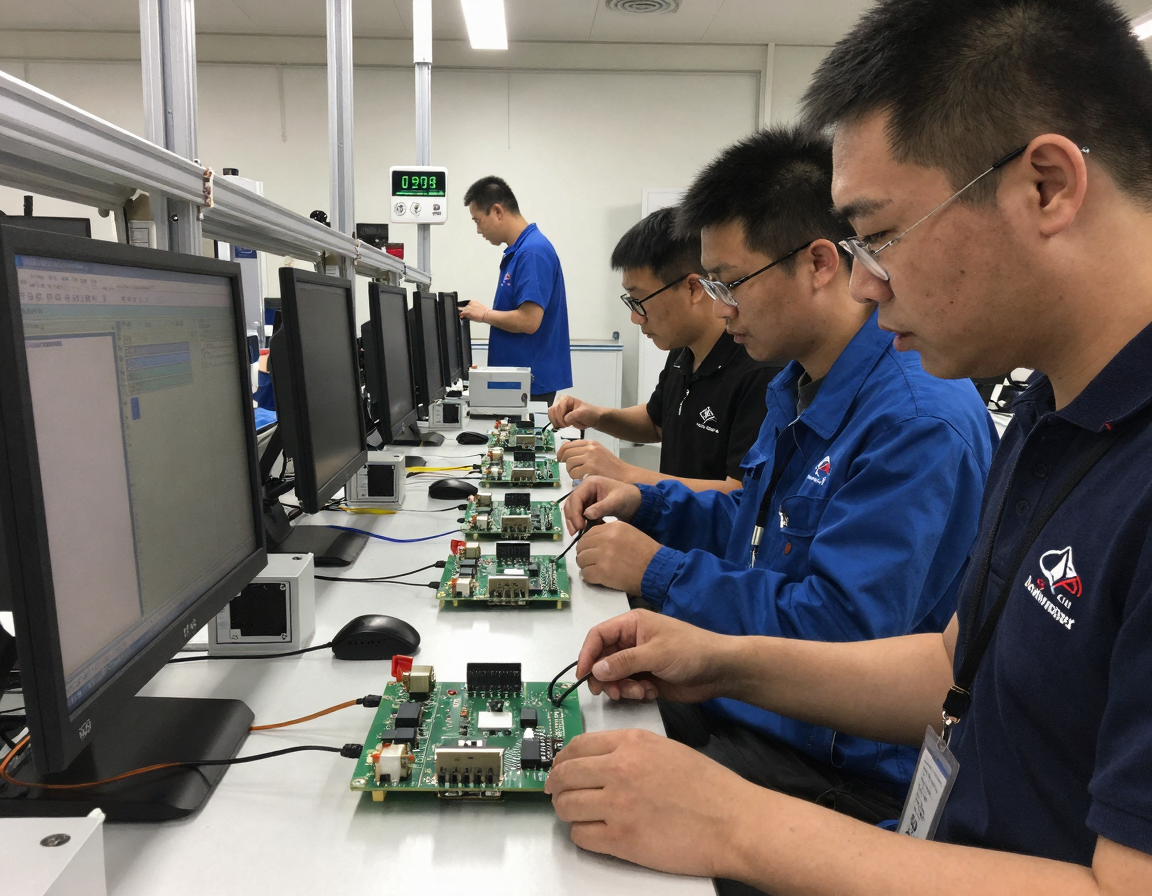
MCUs and industrial-linked semis tend to behave as a reality check for broad economic demand. They are less driven by a single mega-theme and more tied to everyday capex cycles, automation, automotive electronics, and embedded systems refresh.
In many past cycles, investors saw the most reliable confirmation of a broad semiconductor turn when MCU orders improved after a long de-stocking phase. If 2026 shows sequential order pickup with cleaner channel inventory and fewer order cancellations, that would support the argument that this is not only an AI-capex rally but a wider semiconductor normalization.
For portfolio construction, this matters because it changes factor exposure. In a narrow AI-only regime, concentration risk rises. In a broadening MCU/industrial recovery, equal-weight exposure across quality semiconductor names can become more attractive than concentrated momentum positioning.
How U.S. Investors Can Use These Signals in Practice
1) Build a quarterly scorecard with five indicators: inventory days, revenue breadth, utilization quality, memory pricing stability, and MCU order momentum.
2) Assign a simple signal status for each: improving, neutral, or deteriorating.
3) Require at least three indicators in “improving” status before increasing cyclical exposure.
4) Keep position sizing disciplined until breadth confirms. A strong AI tape alone is not enough.
5) Re-check assumptions after every major earnings window and after key macro prints that affect capex expectations.
This process helps reduce narrative bias. Semiconductor cycles often reward investors who are systematic and patient rather than those who react to single headlines.
Risk Note
Even if the bottom thesis is correct, path risk remains high. Policy shocks, export restrictions, slower enterprise AI monetization, and sudden inventory rebuilds can all distort near-term price action. Please treat this analysis as market research, not individualized investment advice.